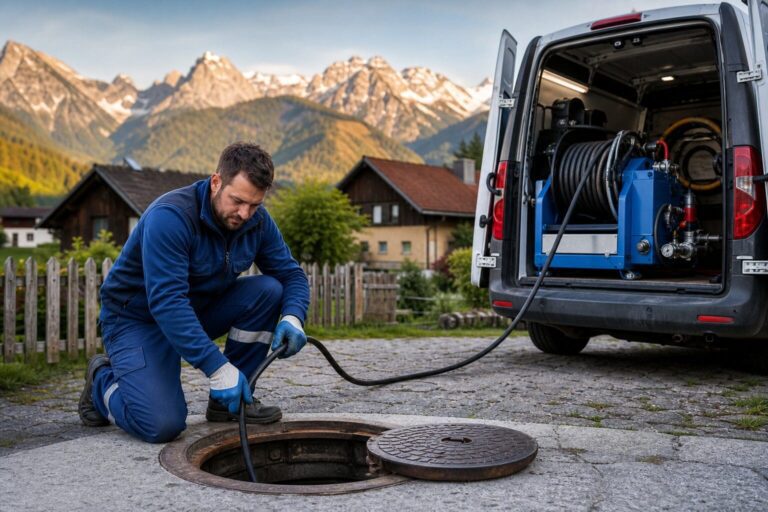
Predictive Maintenance is revolutionizing the way facilities are maintained. By leveraging advanced technologies and data analytics, it enables maintenance teams to predict equipment failures, reducing unplanned downtime and improving overall efficiency.
This proactive approach to maintenance optimization allows for condition-based maintenance, where maintenance activities are performed based on the actual condition of the equipment, rather than on a fixed schedule.
As a result, facilities can operate at peak performance, minimizing the risk of unexpected failures and reducing maintenance costs.
Key Takeaways
- Predictive Maintenance helps reduce unplanned downtime.
- It enables condition-based maintenance strategies.
- Facilities can operate at peak performance.
- Maintenance costs are reduced through proactive maintenance.
- Overall efficiency is improved with Predictive Maintenance.
What is Predictive Maintenance?
Predictive Maintenance is revolutionizing the way industries manage their assets. It involves using advanced data analytics and machine learning techniques to predict when equipment is likely to fail, allowing for maintenance to be scheduled accordingly. This approach helps reduce unplanned downtime, increase overall equipment effectiveness, and optimize maintenance resources.
The Evolution from Reactive to Predictive Approaches
Traditionally, maintenance strategies have been reactive, with repairs or replacements made after equipment failure. However, this approach can lead to significant downtime and increased costs. The shift towards predictive maintenance has been driven by the need to minimize these negative impacts. By leveraging real-time data and analytics, organizations can now anticipate potential failures and take proactive measures. As John Deere, a leading manufacturer, noted, „Predictive maintenance is not just about predicting failures; it’s about optimizing our maintenance strategies to improve overall equipment effectiveness.“ This evolution represents a significant change in how industries approach maintenance.
Core Components of Effective Predictive Maintenance
Effective predictive maintenance relies on several core components, including advanced sensors, data analytics platforms, and machine learning algorithms. These components work together to collect and analyze data, identify patterns, and predict potential failures. For instance, IoT sensors can be used to monitor equipment condition in real-time, while advanced analytics can help identify trends and anomalies. As
„The future of maintenance lies in its ability to predict and prevent failures, rather than just reacting to them,“
highlights the importance of a proactive approach.
Wie hilft Predictive Maintenance bei der Wartung von Anlagen?
By leveraging predictive maintenance, companies can significantly improve their asset management and maintenance strategies. Predictive maintenance involves using advanced technologies to monitor equipment condition and predict potential failures, thereby optimizing maintenance activities.
Early Detection of Potential Equipment Failures
One of the primary benefits of predictive maintenance is its ability to detect potential equipment failures early. This is achieved through the use of sensors and data analytics tools that continuously monitor equipment condition. For instance, vibration analysis can detect anomalies in rotating machinery, while thermography can identify overheating issues in electrical equipment.
- Vibration analysis for rotating machinery
- Thermography for electrical equipment
- Oil analysis for lubrication systems
Early detection enables maintenance teams to address issues before they escalate into major problems, reducing downtime and improving overall equipment effectiveness.
Optimizing Maintenance Schedules and Resource Allocation
Predictive maintenance also optimizes maintenance schedules and resource allocation. By accurately predicting when maintenance is required, maintenance activities can be planned and executed during periods of low production or when the equipment is not critical to operations. This approach minimizes disruptions and ensures that maintenance resources are used efficiently.
Benefits include:
- Reduced unplanned downtime
- Improved resource allocation
- Lower maintenance costs
Extending Asset Lifespan and Performance
Furthermore, predictive maintenance helps extend the lifespan and improve the performance of assets. Regular, condition-based maintenance ensures that equipment is properly maintained, reducing wear and tear. This proactive approach can lead to significant cost savings over time by reducing the need for premature replacements and minimizing the likelihood of major repairs.
For example, a study by McKinsey found that predictive maintenance can increase equipment lifespan by up to 20% and reduce maintenance costs by up to 30%.
The Business Case for Implementing Predictive Maintenance
By leveraging predictive maintenance, organizations can make data-driven decisions that enhance their maintenance efficiency and reduce costs. This strategic approach not only improves equipment reliability but also has a significant impact on a company’s bottom line.
Calculating ROI and Cost Savings
One of the primary benefits of predictive maintenance is its potential to deliver a strong return on investment (ROI). By reducing the frequency of unnecessary maintenance and minimizing equipment downtime, companies can achieve substantial cost savings. For instance, a study by Deloitte found that predictive maintenance can reduce maintenance costs by up to 30%.
| Industry | Average Maintenance Cost Savings | ROI |
|---|---|---|
| Manufacturing | 25% | 300% |
| Energy | 20% | 250% |
| Transportation | 15% | 200% |
Reducing Unplanned Downtime and Production Losses
Predictive maintenance helps organizations reduce unplanned downtime by identifying potential equipment failures before they occur. This proactive approach enables companies to schedule maintenance during planned downtime, thereby minimizing the impact on production. As a result, businesses can avoid costly production losses and maintain a competitive edge.
Improving Overall Equipment Effectiveness (OEE)
By optimizing maintenance schedules and reducing equipment failures, predictive maintenance can significantly improve Overall Equipment Effectiveness (OEE). OEE is a key performance indicator that measures the efficiency of equipment in terms of availability, performance, and quality. By enhancing OEE, companies can increase productivity, reduce waste, and improve product quality.
In conclusion, the business case for implementing predictive maintenance is compelling. With its potential to deliver significant cost savings, reduce unplanned downtime, and improve OEE, predictive maintenance is an essential strategy for companies seeking to optimize their maintenance operations and stay competitive in today’s fast-paced industrial landscape.
Technologies Driving Modern Predictive Maintenance
Technological innovations are revolutionizing the field of predictive maintenance. The convergence of various technologies has enabled organizations to adopt more proactive and efficient maintenance strategies.
IoT Sensors and Data Collection Systems
The Internet of Things (IoT) plays a crucial role in predictive maintenance by facilitating real-time data collection through various sensors. These sensors monitor equipment conditions, detecting anomalies and potential failures.
Types of Sensors and Their Applications
Different types of sensors are used depending on the equipment and the parameters to be monitored. Common types include:
- Vibration sensors for detecting imbalances or misalignments in rotating machinery.
- Temperature sensors for monitoring overheating components.
- Acoustic sensors for listening to the sounds of operating equipment to detect anomalies.
Data Transmission and Storage Solutions
Data collected by IoT sensors is transmitted to centralized systems or cloud platforms for analysis. Secure and reliable data transmission protocols are essential to ensure data integrity.
Machine Learning and AI Algorithms for Failure Prediction
Machine learning (ML) and artificial intelligence (AI) algorithms analyze data from IoT sensors to predict potential equipment failures. These algorithms identify patterns and trends that may not be apparent to human analysts.
Key benefits of using ML and AI include:
- Enhanced accuracy in failure prediction.
- Ability to handle large volumes of data.
- Continuous improvement through learning from new data.
Advanced Analytics Platforms and Dashboards
Advanced analytics platforms provide a comprehensive view of equipment health and maintenance needs. These platforms integrate data from various sources and offer intuitive dashboards for easy monitoring.
Features of advanced analytics platforms include:
- Real-time monitoring capabilities.
- Customizable dashboards for different user roles.
- Detailed reporting and analytics for informed decision-making.
Step-by-Step Implementation of Predictive Maintenance
## Step-by-Step Implementation of Predictive Maintenance
To effectively adopt Predictive Maintenance, a phased implementation plan is necessary. This approach ensures that organizations can transition smoothly from traditional maintenance strategies to more advanced, data-driven methodologies.
### Assessment and Planning Phase
The initial phase involves a thorough assessment of the organization’s current maintenance practices and the identification of areas where Predictive Maintenance can add significant value.
#### Identifying Critical Assets and Failure Modes
Organizations must first identify their critical assets and the potential failure modes associated with these assets. This involves analyzing historical maintenance data, failure rates, and the impact of downtime on operations. For instance, a study by
Smith et al.,
highlighted the importance of identifying critical assets in reducing maintenance costs.
| Asset Type | Failure Mode | Impact on Operations |
| — | — | — |
| Pumps | Mechanical Failure | High |
| Motors | Electrical Failure | Medium |
| Gears | Wear and Tear | Low |
#### Setting Objectives and KPIs
Clear objectives and Key Performance Indicators (KPIs) must be established to measure the success of the Predictive Maintenance program. These might include reduction in unplanned downtime, improvement in overall equipment effectiveness (OEE), and cost savings. For example, a company might set a KPI to reduce unplanned downtime by20%within the first year of implementing Predictive Maintenance.
### Pilot Program Development and Testing
Once the planning phase is complete, the next step is to develop and test a pilot program. This involves selecting a small group of assets to apply Predictive Maintenance techniques to and monitoring the results.
The pilot program should be designed to test the effectiveness of the Predictive Maintenance strategy, identify any challenges or areas for improvement, and refine the approach before scaling up.
### Scaling Across Operations and Continuous Improvement
After the success of the pilot program is validated, the Predictive Maintenance strategy can be scaled across the organization. Continuous improvement is crucial, involving regular review of KPIs, updating of models, and expansion to other assets and areas of the operation.
By following this step-by-step guide, organizations can effectively implement Predictive Maintenance, leading to improved operational efficiency, reduced maintenance costs, and enhanced asset reliability.
Industry-Specific Applications and Success Stories
The versatility of Predictive Maintenance is evident in its successful implementation across various sectors. By leveraging advanced technologies such as IoT sensors and machine learning algorithms, industries are able to predict equipment failures, reduce downtime, and enhance operational efficiency.
Manufacturing Sector Case Studies
In the manufacturing sector, Predictive Maintenance has been instrumental in optimizing production processes. For instance, a leading automotive manufacturer implemented Predictive Maintenance to monitor the condition of their machinery in real-time. This allowed them to identify potential failures before they occurred, reducing unplanned downtime by 30% and increasing overall equipment effectiveness (OEE) by 25%.
Another example is a global electronics manufacturer that used Predictive Maintenance to predict and prevent failures in their production line equipment. By doing so, they were able to achieve a 20% reduction in maintenance costs and a significant improvement in product quality.
Energy and Utilities Applications
The energy and utilities sector has also benefited greatly from Predictive Maintenance. Utility companies are using advanced analytics and IoT sensors to monitor the health of their infrastructure, such as power grids and water treatment plants. This enables them to predict and prevent failures, ensuring a reliable supply of energy and water to consumers.
For example, a major utility company implemented Predictive Maintenance to monitor the condition of their wind turbines. By analyzing data from sensors installed on the turbines, they were able to predict when maintenance was required, reducing downtime and increasing energy production.
Transportation and Logistics Examples
In the transportation and logistics sector, Predictive Maintenance is being used to improve the reliability and efficiency of vehicles and infrastructure. For instance, a logistics company implemented Predictive Maintenance on their fleet of trucks, using data analytics to predict when vehicles were likely to require maintenance. This allowed them to schedule maintenance during off-peak hours, reducing downtime and improving delivery times.
Railway companies are also leveraging Predictive Maintenance to monitor the condition of their trains and tracks. By predicting potential failures, they are able to maintain a safe and reliable service, reducing delays and improving customer satisfaction.
The success stories from these industries demonstrate the potential of Predictive Maintenance to transform maintenance strategies and improve operational efficiency. As the technology continues to evolve, it is likely that we will see even more innovative applications of Predictive Maintenance across various sectors.
Overcoming Challenges in Predictive Maintenance Adoption
As organizations move towards predictive maintenance, they often encounter several obstacles that need to be overcome. Predictive maintenance is a sophisticated approach that requires not only technological infrastructure but also organizational readiness and technical expertise. The challenges associated with its adoption can be significant, but understanding these hurdles is the first step towards mitigating them.
Data Quality and Integration Issues
One of the primary challenges in predictive maintenance is ensuring data quality and integrating it across various systems. Poor data quality can lead to inaccurate predictions, while lack of integration can result in siloed information, hindering effective decision-making. To overcome this, organizations should invest in robust data collection systems and ensure seamless integration across platforms. For instance, implementing a centralized data management system can help in maintaining data consistency and accuracy.
A practical example of overcoming data quality issues is seen in the manufacturing sector, where companies have successfully integrated IoT sensors with their existing ERP systems, thereby enhancing data reliability and predictive capabilities.
| Challenge | Impact | Solution |
|---|---|---|
| Poor Data Quality | Inaccurate Predictions | Robust Data Collection Systems |
| Lack of Integration | Siloed Information | Seamless System Integration |
Organizational Change Management
Predictive maintenance adoption requires significant organizational change. It demands a shift from traditional maintenance practices to a more proactive, data-driven approach. Effective change management is crucial to ensure that all stakeholders are aligned with the new strategy. This involves comprehensive training programs, clear communication of benefits, and involvement of personnel in the transition process.
For example, a leading manufacturing company implemented a change management program that included training sessions for maintenance personnel, resulting in a smooth transition to predictive maintenance and a significant reduction in unplanned downtime.
Building Technical Expertise and Capabilities
The success of predictive maintenance heavily relies on the technical expertise of the personnel involved. Organizations need to invest in building capabilities in areas such as data analytics, IoT technologies, and machine learning. This can be achieved through a combination of training programs, hiring skilled personnel, and collaborating with technology partners.
A notable example is a utility company that partnered with a technology firm to develop a customized training program for its maintenance team, significantly enhancing their technical capabilities in predictive maintenance.
By addressing these challenges proactively, organizations can ensure a smoother transition to predictive maintenance, ultimately leading to improved operational efficiency and reduced maintenance costs.
Emerging Trends Shaping the Future of Predictive Maintenance
As predictive maintenance continues to evolve, several emerging trends are poised to revolutionize the way industries approach equipment maintenance. These advancements are not only enhancing the capabilities of predictive maintenance but also opening up new avenues for innovation and efficiency.
Digital Twins and Advanced Simulation
Digital twins, which are virtual replicas of physical assets, are becoming increasingly sophisticated. They allow for advanced simulation and modeling, enabling maintenance teams to predict potential failures and test maintenance strategies in a virtual environment. This can significantly reduce the risk of equipment failure and optimize maintenance schedules.
A case study on the use of digital twins in the aerospace industry revealed that simulation-based maintenance planning can reduce downtime by up to 30%. The table below highlights some key benefits of digital twins in predictive maintenance:
| Industry | Benefit | Impact |
|---|---|---|
| Aerospace | Reduced Downtime | 30% less downtime |
| Manufacturing | Improved Maintenance Scheduling | 25% reduction in maintenance costs |
| Energy | Enhanced Predictive Capabilities | 20% increase in predictive accuracy |
Edge Computing and Real-Time Analytics
Edge computing is another emerging trend that is transforming predictive maintenance. By processing data closer to the source, edge computing enables real-time analytics, reducing latency and improving the speed of decision-making. This is particularly crucial for industries where equipment failure can have catastrophic consequences.
For instance, in the oil and gas industry, edge computing has been used to monitor equipment condition in real-time, allowing for swift intervention in case of potential failures. The benefits of edge computing in predictive maintenance include:
- Real-time monitoring and alerts
- Reduced latency in decision-making
- Improved accuracy in predictive analytics
Augmented Reality for Maintenance Execution
Augmented reality (AR) is being increasingly adopted for maintenance execution. AR overlays digital information onto the physical world, providing maintenance personnel with step-by-step instructions and real-time data on equipment condition. This can significantly improve the efficiency and accuracy of maintenance tasks.
A study on the use of AR in maintenance found that it can reduce maintenance time by up to 20% and improve first-time fix rates by 15%. As AR technology continues to evolve, its applications in predictive maintenance are likely to expand, further enhancing maintenance capabilities.
Conclusion: Transforming Maintenance Strategies for the Digital Age
As we have explored throughout this article, Predictive Maintenance is revolutionizing the way industries approach equipment maintenance and asset management. By leveraging advanced technologies such as IoT sensors, machine learning, and AI algorithms, organizations can now predict potential failures, optimize maintenance schedules, and extend asset lifespan.
The future of Predictive Maintenance is bright, with emerging trends like digital twins, edge computing, and augmented reality poised to further enhance its capabilities. As industries continue to undergo Digital Transformation, the adoption of Predictive Maintenance strategies will be crucial in drivingining operational efficiency, reducing costs, and improving overall competitiveness.
By embracing Predictive Maintenance, organizations can unlock new levels of productivity, reliability, and innovation, ultimately shaping the future of industries and transforming maintenance strategies for the digital age.